
Gas Installations
Any work on gas appliances or pipework in the UK legally has to be carried out by a Gas Safe registered engineer — this isn't optional guidance, it's a legal safety requirement, because incorrect gas work is a genuine risk of fire, explosion, or carbon monoxide poisoning. This page covers installation of gas appliances and pipework beyond boilers specifically (which have their own dedicated pages).
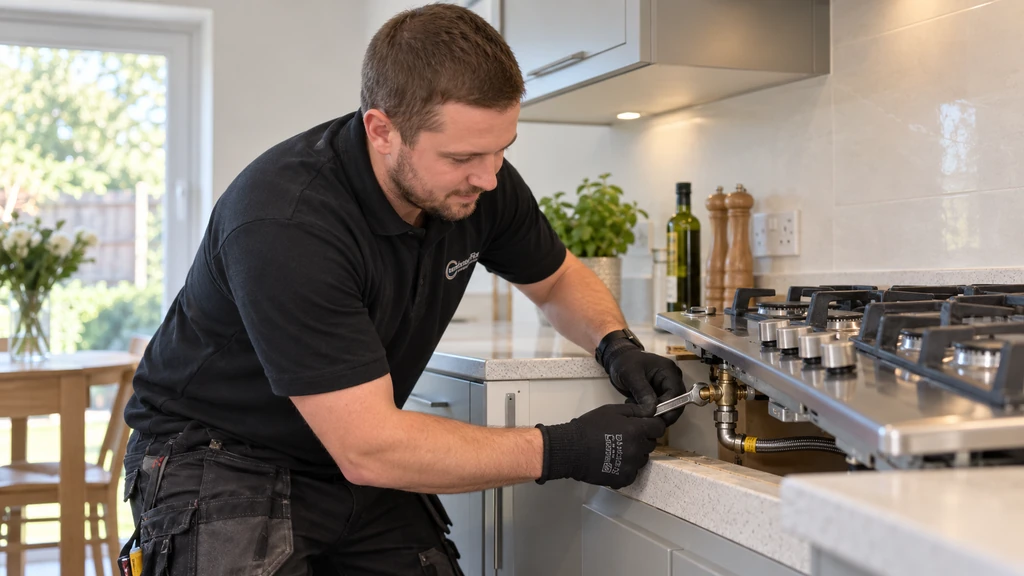
What's Included
- Gas pipework installation and alteration — planned to the safest route, not just the shortest one
- Gas appliance connection (hobs, fires, and similar) — connected and tested, not just fitted and left
- Safety certification for all completed gas work — proof the job was actually tested, in writing
- Carried out to current Gas Safe regulations — the legal standard, not a shortcut version of it
How It Works
- 1 Confirm exactly what appliance or pipework change is needed
- 2 Plan the safest, most appropriate pipe route or connection point
- 3 Carry out the installation to current regulations
- 4 Test for safety (tightness testing, ventilation, flue where relevant) and issue the appropriate certification
Common Issues
- • Connecting a new gas appliance (hob, fire) safely
- • Altering existing gas pipework for a kitchen or room change
- • Confirming whether existing gas work was carried out to current standards
Pricing: Quoted per job depending on the installation (indicative — confirm actual pricing with Rainbow Fix Ltd)
What Actually Happens When You Call
Every job starts with confirming exactly what's needed — a new appliance connection, a pipework alteration for a kitchen change, or moving an existing gas point — since the safest route often isn't the shortest one, and planning it properly before cutting into pipework avoids compromises later. The installation itself is carried out to current Gas Safe regulations throughout, then tested — a tightness test on the pipework, and ventilation and flue checks where relevant — before the appropriate certification is issued. Nothing gets signed off without that testing actually happening, regardless of how straightforward the job looked going in.
Seasonal Considerations in Buckinghamshire & Berkshire
Gas installation work doesn't follow the same winter emergency pattern as boiler repairs — it's largely planned, driven by kitchen renovations, new appliances, or house moves, which run fairly evenly through the year. The one exception is a mild autumn uptick from people fitting a gas fire ahead of winter, worth booking in good time rather than the week the weather turns.
“Ran has supported me with everything has related for years from my boiler service to fitting a new fireplace and moving a gas pipe position for an oven…”
Still deciding what you need?
Call Roman directly on 07877 373229 — you'll get a straight answer, not a sales pitch.
Call 07877 373229Gas Installations — Frequently Asked Questions
Can I install a gas appliance myself if I'm confident doing DIY?
No — legally, any gas work in a UK home must be carried out by a Gas Safe registered engineer, regardless of DIY confidence or general plumbing experience. This isn't a recommendation, it's a legal requirement (under the Gas Safety (Installation and Use) Regulations), because gas work carries risks — fire, explosion, and carbon monoxide poisoning — that aren't always obvious even when the work looks straightforward.
How do I check an engineer is genuinely Gas Safe registered?
Every Gas Safe registered engineer carries an ID card with their licence number and the specific categories of gas work they're qualified for (not all registered engineers are qualified for every type of gas work), and you can check this against the official Gas Safe Register. It's reasonable, and sensible, to ask to see this card before work starts, or to check the register yourself beforehand.
Do I need a new gas safety certificate every time I have gas work done?
A completed installation or alteration should come with documentation confirming it was tested and is safe, but this is different from a <a href="/services/landlord-gas-safety-certificates">Landlord Gas Safety Certificate (CP12)</a>, which is an annual legal requirement specifically for rental properties covering all gas appliances in the property, not just newly installed ones. Which certificate is relevant depends on what work was done and whether the property is rented out.
I can smell gas faintly near an appliance — is that an emergency?
Yes, treat any suspected gas smell as an emergency: don't operate electrical switches, turn off the gas at the meter if you can safely reach it, ventilate the area by opening windows and doors, leave the property, and call the National Gas Emergency Service on 0800 111 999 immediately — this is a national emergency line, not something to wait on a routine callout for.
How much does a gas appliance installation cost?
This is quoted per job depending on the installation — connecting a straightforward gas hob is a smaller job than rerouting pipework for a kitchen remodel or fitting a gas fire from scratch, so an accurate figure follows from knowing exactly what's needed.
Can you move an existing gas point to a new position in the room?
Yes — this is a common request during a kitchen renovation, and it's carried out the same way any new pipework installation is: planned to the safest, most sensible route, then installed and tested to current regulations before certification.
Do you install gas fires as well as cookers and hobs?
Yes — gas fire installation and connection is covered here too, including the flue and ventilation checks specific to a fire, which differ somewhat from a hob or cooker connection.
Related Services
Local, Straightforward, Upfront About Pricing
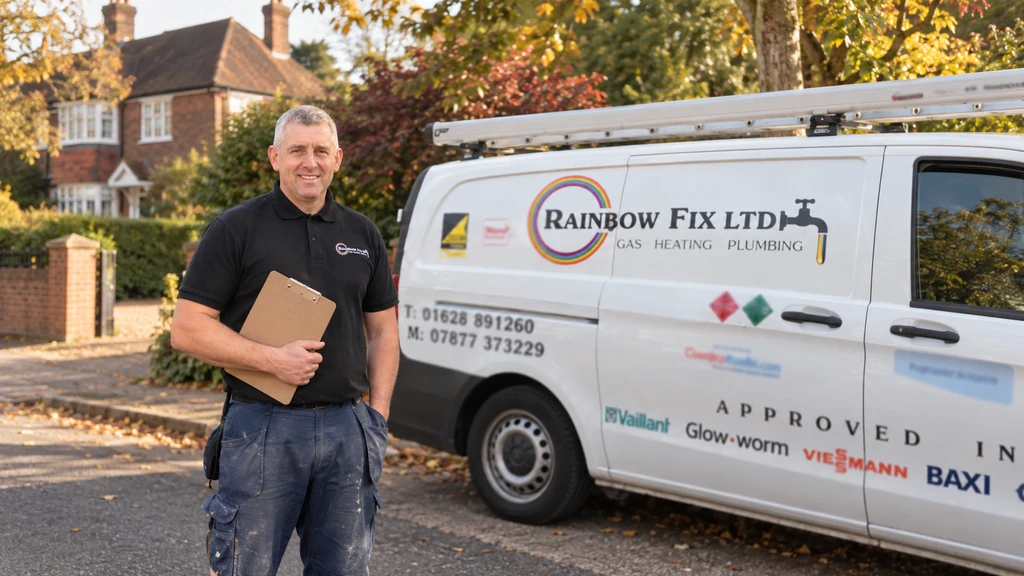
Rainbow Fix Ltd is based in Marlow, covering Buckinghamshire, Berkshire and surrounding areas. You'll deal with Roman directly — every job gets a plain-English diagnosis and a price agreed before any work starts.